
Call us now :07313727270
 Send Inquiry
 Send Inquiry
Rectangular Hot Plate
Price 4000 INR/ Unit
MOQ : 1 , , Unit
Rectangular Hot Plate Specification
- Features
- High-Temperature Resistance, Uniform Heating, Durable Construction, Adjustable Temperature Control
- Technics
- Electric Heating Element
- Product Type
- Rectangular Hot Plate
- Material
- Mild Steel (Top Plate), Powder Coated Mild Steel (Body)
- Usage & Applications
- General laboratory heating, Drying of glassware and chemical samples
- Metal Type
- Mild Steel
- Application
- Laboratory Heating, Sample Drying, Chemical Reaction Heating
- Size
- RectangularCommonly 300 x 250 mm or 450 x 300 mm (custom sizes available)
- Weight
- Approx. 6-10 kg depending on plate size
- Maximum Surface Temperature
- Up to 350°C
- Power Supply
- 220-240V AC, 50/60Hz
- Surface Finish
- Corrosion-resistant coated
- Insulation
- Mineral wool or ceramic fiber insulation
- Cable Length
- Approx. 1.5 meters
- Top Plate Thickness
- 8-12 mm
- Body Finish
- Powder Coated
- Heating Element Type
- Nichrome wire embedded
- Indicator
- Pilot Lamp for power indication
- Temperature Control Type
- Energy Regulator or Digital Thermostat
- Safety Feature
- Overheat protection available in select models
Rectangular Hot Plate Trade Information
- Minimum Order Quantity
- 1 , , Unit
- Payment Terms
- Cash Advance (CA), Cash in Advance (CID)
- Supply Ability
- 30 Units Per Month
- Delivery Time
- 7 Days
- Main Export Market(s)
- Asia, Australia, Central America, North America, South America, Eastern Europe, Western Europe, Middle East, Africa
- Main Domestic Market
- All India
About Rectangular Hot Plate
A rectangular hot plate is a laboratory heating device designed with an elongated, flat heating surface, typically made from durable materials such as aluminum or ceramic to ensure even heat distribution. It often features adjustable temperature controls, allowing precise regulation up to 350C. The hot plate is equipped with safety features such as overheat protection and a stable, corrosion-resistant construction. It is ideal for heating multiple samples simultaneously or larger vessels, making it suitable for applications in chemical reactions, sample preparation, and other laboratory processes that require consistent and uniform heating.
Advanced Laboratory Heating Solution
Engineered for performance and safety, this rectangular hot plate offers uniform heating and remarkable temperature precision. Its robust construction, insulated design, and corrosion-resistant finish ensure both longevity and operational safety. With quick temperature adjustments, consistent results, and reliable insulation, it is ideal for laboratories requiring stable, high-temperature conditions for sample drying or chemical reactions.
Designed for Versatility and Reliability
Available in common sizes like 300 x 250 mm and 450 x 300 mm, with custom sizing options, this hot plate is suited for various laboratory setups. Whether drying glassware or conducting chemical processes, its durable body and high-quality heating element allow for extended, consistent use. Overheat protection in select models further enhances operational confidence.
FAQs of Rectangular Hot Plate:
Q: How does the temperature control work on the rectangular hot plate?
A: The temperature on this hot plate can be regulated either with an energy regulator or a digital thermostat, providing precise adjustments for different heating requirements. This ensures uniform heating across the plates surface.Q: What applications is this hot plate most suitable for in the laboratory?
A: This hot plate is ideal for general laboratory heating, sample drying, drying glassware, and facilitating chemical reactions. Its ability to reach up to 350C makes it versatile for a wide range of tasks.Q: When should I use the overheat protection feature?
A: Overheat protection, available on select models, automatically activates to prevent the hot plate from exceeding safe temperature limits. This feature should be utilized during prolonged or unattended heating to ensure safety.Q: Where can this rectangular hot plate be installed or used?
A: It is suitable for installation in laboratory environments, including educational, research, and industrial labs, where high-temperature heating is required.Q: What is the process of setting up and operating the hot plate?
A: To operate, connect the hot plate to a 220-240V AC power supply. Adjust the desired temperature using the control knob or digital thermostat, and monitor the pilot lamp for power status. An initial warm-up period is recommended before use.Q: What are the benefits of the mineral wool or ceramic fiber insulation?
A: These insulation materials help maintain consistent internal temperatures, reduce heat loss, and prevent the outer body from becoming excessively hotenhancing energy efficiency and user safety.Q: How do I ensure long-term durability and safety of the hot plate?
A: Regularly inspect the unit for wear, clean the coated surface to prevent corrosion, check the cable for integrity, and always operate within specified temperature limits. Utilize the overheat protection feature when available for added safety.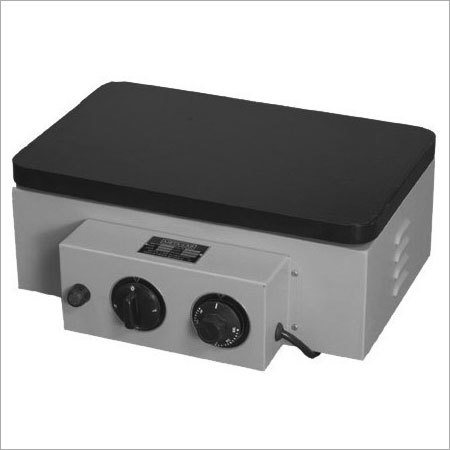
Tell us about your requirement

Price:
Quantity
Select Unit
- 50
- 100
- 200
- 250
- 500
- 1000+
Additional detail
Mobile number
Email

More Products in LPG Gas Product Category
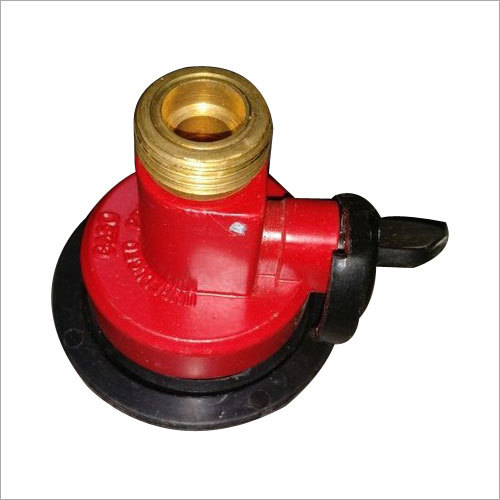
LPG Gas Adaptor
Price 1000 INR / Unit
Minimum Order Quantity : 1 , , Unit
Metal Type : Steel
Product Type : LPG Gas Adaptor
Material : Metal
Size : Standard
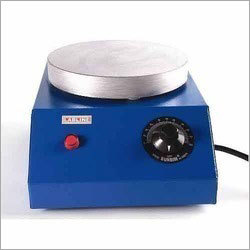
Hot Plate Round
Price 20000 INR / Unit
Minimum Order Quantity : 1 , , Unit
Metal Type : Other, Cast Iron
Product Type : Hot Plate Round
Material : Cast Iron Top Plate, Mild Steel Body
Size : 150 mm, 200 mm, 250 mm diameter plates available
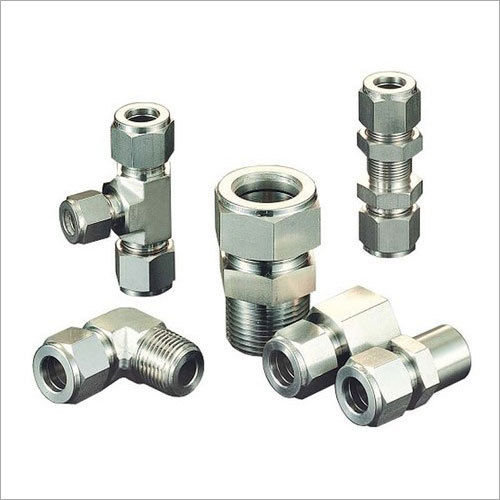
Pipe Fittings
Price 200 INR / Piece
Minimum Order Quantity : 1 , , Piece
Metal Type : Steel
Product Type : PIE FITTINGS
Material : Stainless Steel
Size : Standard

 Send Inquiry
Our Products
- Autoclave
- Gas Purification Panel
- Hot Plate
- Lab Equipment
- Muffle Furnace
- Pressure Regulator
- LPG Equipment
- Laboratory Furniture
- Spot Extractor
- SS BOD Incubator
- Laboratory Autoclave
- Heating Mantle
- SS Laboratory Trolley
- Gas Control Box
- Gas Sampling Bomb
- Inline Micron Filter
- Static Pass Box
- COD Digester
- Lab Stool
- Laboratory Storage Cabinets
- Gas Purification Filter
- Bunsen Burner
- Stainless Steel Pigtail
- Stainless Steel Tube Coil
- Exhaust Hood For AAS - ICP
- Double Way Eye Wash
- Shower Cum Eye Washer
- LPG Gas Product
- Pharma Cabinet
- Anti Vibrating Table
- Vacuum Pump And Oven
- Accessories
- Trolley

197, Sainath Housing Society, Nr. Omakara Duplex, Bhatkuva, Manjalpur, Vadodara - 390011, Gujarat, India

Mr. Shriram
Mobile :07313727270
 Send Inquiry
 Send SMS
Developed and Managed by Infocom Network Private Limited.
